
The holidays are a time of joy, relaxation, togetherness, and… an abundance of food, which often results in the gastro-drama known as “Overeating Consequences.” Did you, too, indulge in all the gourmet temptations this season? If so, you’re likely wondering how to help your microbiome recover from its state of shock and disbelief. The holiday feast was a cinematic spectacle, but now it’s time for the detox scene. Let’s dive into the topic and offer you practical advice for restoring balance.

Why Do We Feel Bad After Overeating?
Overeating, especially with heavy, fatty, and sugary foods, can significantly disrupt your digestive system. When we consume excessive calories and hard-to-digest foods, our gut microbiome—a collection of bacteria living in our intestines—becomes unbalanced. The result? Bloating, gas, a heavy stomach, and lack of energy. Not the most pleasant outcome.

How Can Essential Oils Help?
Certain essential oils, such as Peppermint, Fennel, Cardamom, Ginger, and Coriander Seed, have long been known as allies in easing digestive discomfort. All these oils are part of dōTERRA’s Zengest blend, the perfect solution for a stomach in need of urgent repair.
How to use: Add two drops of the blend to a glass of water or massage it onto your abdomen using circular motions around the navel.
Essential Oils for Digestive Issues
Black Pepper
(Piper nigrum)
Coriander
(Coriandrum sativum)
Ginger
(Zingiber officinale)
Manuka
(Leptospermum scoparium)
Schisandra
(Schisandra chinensis)
Tangerine
(Citrus reticulata)
Caraway
(Carum carvi)
Davana
(Carum carvi)
Lemon Eucalyptus
(Eucalyptus citriodora)
Melissa
(Melissa officinalis)
Siberian Fir
(Abies sibirica)
Turmeric
(Curcuma longa)
Cardamom
(Elettaria cardamomum)
Dill
(Anethum graveolens)
Lime
(Citrus aurantiifolia)
Myrrh
(Commiphora myrrha)
Spearmint
(Mentha spicata)
Cassia
(Cinnamomum cassia)
Fennel
(Foeniculum vulgare)
Mandarin
(Citrus reticulata)
Peppermint
(Mentha piperita)
Spikenard
(Nardostachys jatamansi)
Some of the listed essential oils for digestive issues can be used both orally and topically, while others are suitable only for topical use. For guidance on usage and recommended doses, consult your aromatherapist.
The Importance of Probiotics and a Healthy Microbiome
Your gut is home to trillions of microorganisms that play a vital role in digestion, immunity, and even mood. When your microbiome functions optimally, you feel “light” and energized. Probiotics, known as “good bacteria”, can help restore microbiome balance, especially after indulging in less-than-healthy food choices. For a potent and effective product for a healthy microbiome, my top recommendation is dōTERRA’s PB Restore, which contains 30 bioactive prebiotics, probiotics, and postbiotic components, along with 18 billion live cells.

Tips for Restoring Balance:
- Hydration is Key: Drink plenty of water to help your body eliminate toxins and aid digestion.
- Include Probiotics: Yogurt, kefir, sauerkraut, and probiotic supplements are excellent ways to support your microbiome.
- Eat Fiber-Rich Foods: Fruits, vegetables, and whole grains support proper gut function.
- Avoid Processed Foods: Focus on natural, whole foods to support and enhance your digestive system’s function.
- Incorporate Gentle Physical Activity: Post-meal walks can speed up digestion and reduce bloating.
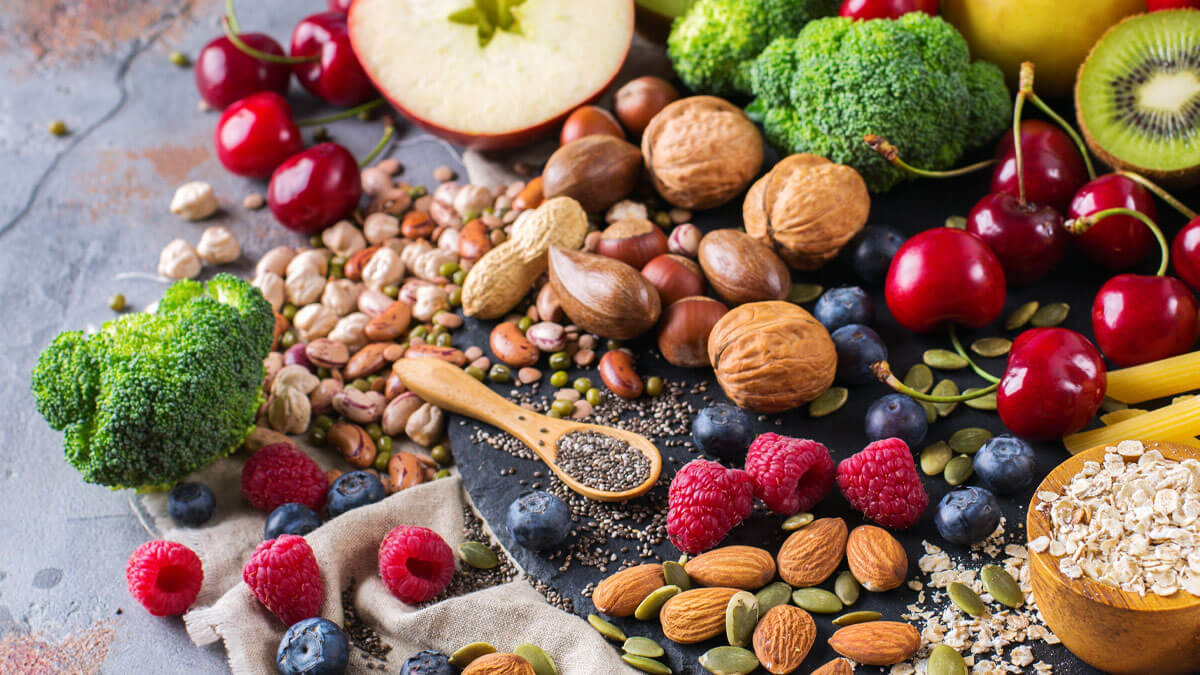
A Healthy Microbiome for a Happy Stomach
Your stomach is your faithful companion, often called the “second brain”—but also your biggest critic. The fact that 70% of our immune system is located in the digestive tract is a clear signal – this part of our body requires special attention. A little discipline, the right foods, and microbiome support can make a huge difference. If you’ve “digested” the tips from this blog, take your first steps today toward systematic care for your digestive health.