History of aromatherapy
When we discuss the history of aromatherapy, we are really talking about the history of the use of aromatics or aromatic/herbal plants. Aromatherapy, as the profession we know today, is actually quite young and only has a short history. However, the history of medicinal and aromatic plants as the main tool of aromatherapy, is indeed ancient. Before the emergence of the pharmaceutical industry in 19th century, the plants were the main medicine used for the health care.
The history of aromatic substances could place us as far back as the origins of humankind. Remember, our sense of smell was quite powerful during these early stages of humanity. Primitive humans may have found the smoke, scents, and aromas affecting them in different ways. Some of the plant material would have made them feel restful, while others stimulated, and some would have gone to the chest making breathing easier. Primitive humans discovered that leaves, berries, roots etc. made sick people better.
Mesopotamia and
Ancient Egypt
Archeologist have found the evidence of essential oils use in all ancient civilisations. Known written records about medicinal plants found in Mesopotamia are from 5000 BC.
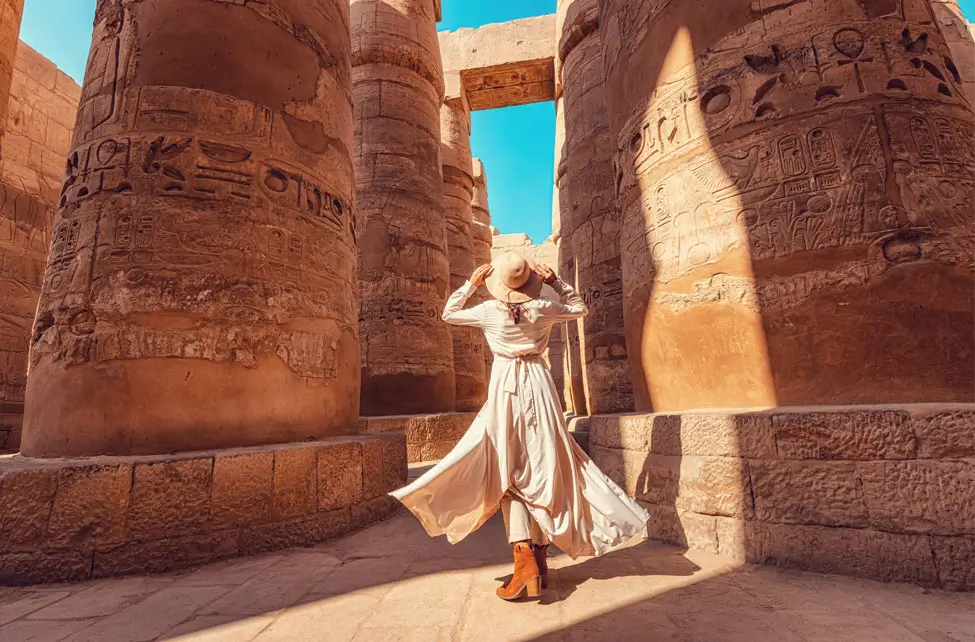
In Ancient Egypt, essential oils were used for healing, skin care and mummification. The walls of Egyptian temples are decorated with drawings of powerful plant extracts, while essential oils have been found in numerous tombs. Among other precious items, Tutankhamun’s tomb contained frankincense, myrrh, juniper, cedar wood, cinnamon, and spikenard essential oils, reflecting the importance of aromatherapy in ancient Egyptian culture. The famous Cleopatra used rose, jasmine, frankincense, myrrh, cinnamon and cardamon essential oils as beauty care products and perfumes.
Ancient India
Ancient India had a profound knowledge of medicinal plants. Archeologist found the remains of terracotta vessels made around 3000BC, used to extract the essences from plants. The essential oils of cinnamon, ginger, myrrh, sandalwood, coriander and many other are described in Vedas, ancient Indian texts which contain descriptions of over 600 medicinal plants. These texts reflect the extensive knowledge and utilization of aromatic substances in ancient Indian medicine.

Ancient Greece
and Rome
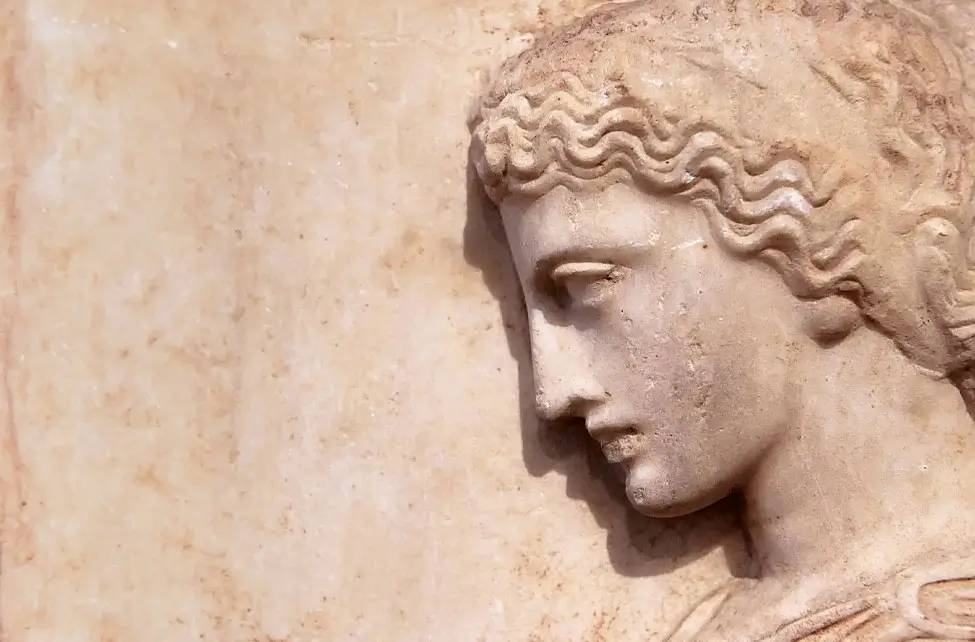
The records from Ancient Greece left befind by Hippocrates, Theophrastus and Galen testify to how plant essences were used for healing in this era.
The Ancient Romans brought Greek doctors to the Colosseum, where plant extracts were used during surgeries on injured gladiators. The Romans are known to have popularized the use of the bathhouse as a place to use aromatic oils and other scented products for beautification and for health.
Ancient China
The Middle Ages and Now
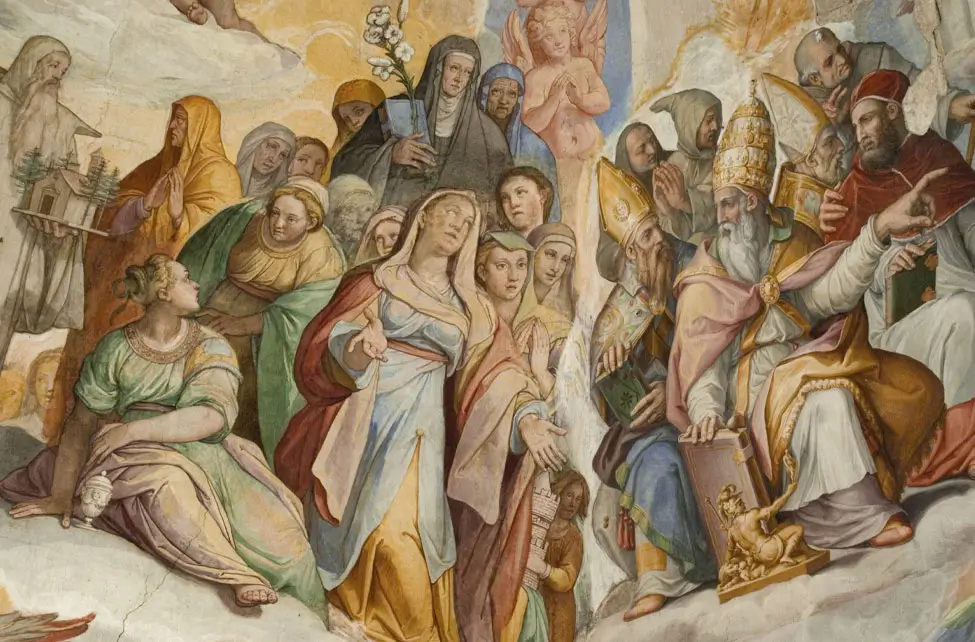
Aromatics were also used during the Middle Ages for defense against the bubonic plague. Aromatic plants were burned in the streets and in homes to ward off infection. It is commonly suspected that the perfumers were mostly immune to the plague because they were constantly surrounded by aromatic plants and essential oils.
During the 18th century we begin to find essential oils being used extensively and much research was being carried out on their medicinal properties. Some apothecaries even had their own stills to produce essential oils.
In the 19th Century the ‘family doctor’ is established. Essential oils of chamomile, cinnamon, fennel, juniper berry, rosemary, and thyme are recorded as official medicine in William Whitla’s book “Materia Medica” (1882). In 1887, the scientist Charles Chamberland published studies showing the anti-bacterial and antifungal properties of many essential oils (lavender, juniper berry, sandalwood, thyme, cinnamon, and cedarwood) .
In many ways, the history of aromatherapy is the history of herbal medicine that enjoys a long and abundant tradition throughout the world. Plants, specifically aromatic plants, have been employed for thousands of years and are still considered to be an important source of medicine. Aromatherapy as it is known today, however, is a modern development of how aromatic plants were used by these early cultures. The term “aromatherapie” was coined by Rene-Maurice Gattefosse in 1937 with his publication of a book by that name. His book “Gattefosses Aromatherapy” contains early clinical findings for utilizing essential oils for a host of physiological ailments.
As a conclusion, we can say that aromatherapy is old-new medicine, neglected over the years of synthetic drugs development and use, that luckily has a big come back on health care scene in 21st century.