
Essential Oils Application
There are three ways of essential oils application: oral ingestion, topical application and inhalation, depending on issue to be resolved and type of essential oil used. Here’s how each method works and some of the issues they can help treat.

Oral ingestion
Oral ingestion involves taking essential oils by mouth, either by adding them to food and beverages or by using Veggie capsules. This method allows the oils to be absorbed through the digestive system and enter the bloodstream. Here are some of the numerous examples for oral application of essential oils.
Digestive Problems
Peppermint and Ginger essential oils can alleviate symptoms of indigestion.
Immune Support
OnGuard™ blend can boost the immune system and help fight infections.
Urinary infections
Oregano and Lemongrass essential oils can help fight bacterial infection.
Detoxification
Lemon and Cilantro essential oils, as well as Zendocrine™ blend, can support liver detoxification processes.
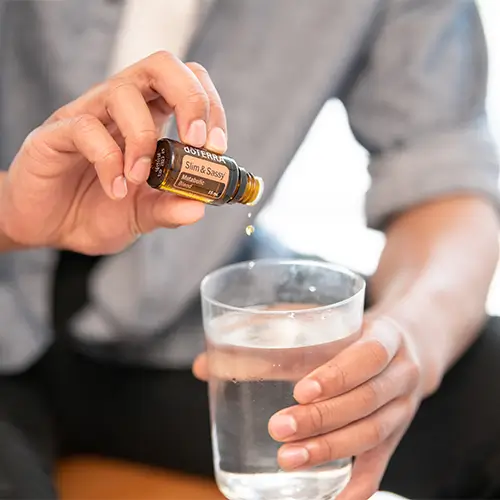
Note: Only certain essential oils are safe for ingestion, and they must be 100% pure, high-quality, therapeutic-grade oils. Always consult your aromatherapist before oral application of essential oils.

Topical application
Topical application involves applying essential oils directly to the skin. This method allows the oils to be absorbed through the skin and into the bloodstream. Essential oils are often diluted with a carrier oil, such as fractioned coconut oil, in order to use optimally their benefits and to prevent possible skin irritation. Diluting an oil does not make it less effective. The potency of oils means that they should not be used in sensitive areas. But, there are many places they can be used safely:
- Face (for better complexion and skin care)
- Forehead, neck, and temples (a target area for dealing with feelings of tension)
- Roof of the mouth (for help with balancing emotions and mood)
- Base of the skull (an external option for emotional and mood support)
- Abdomen (for support to digestive system)
- Chest (for respiratory issues and feelings of clear breathing)
- The soles of the feet and along the spine (massage of the feet and points along the spine can stimulate nerve endings and generate whole-body benefits)
Here are some of the countless examples for topical use of essential oils.
Pain Relief
Deep Blue™ blend can reduce or eliminate muscle and joint pain.
Skin Conditions
Tea Tree essential oil is effective for acne, fungal infections, and minor cuts, while Lavender essential oil can soothe burns and insect bites.
Inflammation
Frankincense, Turmeric and Copaiba essential oils can reduce inflammation and promote healing.
Relaxation and Stress Relief
Lavender and Roman Chamomile essential oils are commonly used in massage therapy to alleviate stress and promote relaxation.

Note: Always perform a patch test to check for sensitivity reactions before applying essential oils to larger skin areas.

Inhalation
Inhalation involves breathing in the aroma of essential oils, either through a diffuser, steam inhalation, mini inhaler, cupped hands or directly from the bottle. This method allows the oils to be absorbed through the respiratory system and have a direct impact on the limbic part of the brain.
Respiratory Problems
Eucalyptus and Thyme essential oils can relieve symptoms of colds, flu, and sinus congestion.
Stress and Anxiety
Bergamot and Ylang Ylang essential oils can help reduce anxiety and promote relaxation.
Sleep Disorders
Vetiver essential oil in combination with Balance™ and Serenity™ blends can improve sleep quality and treat insomnia.
Mood Enhancement
Citrus essential oils like Wild Orange and Grapefruit can uplift mood and reduce feelings of depression.
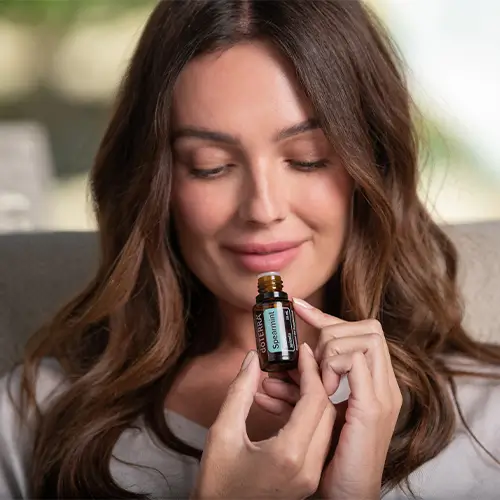
Caution: Always use essential oils safely and consult your aromatherapist for guidance tailored to your individual needs.