Picture this: you walk into a room, and a calming scent of Lavender greets you, instantly soothing your nerves. Or maybe it’s the uplifting aroma of Wild Orange that snaps you out of a midday slump. These aren’t just delightful smells – they’re powerful tools that can influence your mental and physical state. In a world buzzing with quick fixes and instant gratification, it’s easy to overlook the quiet power of nature. Enter the fascinating world of essential oils, where ancient wisdom meets cutting-edge science.
But how exactly does aromatherapy work? Let’s dive into the fascinating science behind essential oils and why they deserve a VIP spot in your wellness routine.
What Makes Essential Oils So Special?
Here’s the kicker: essential oils don’t just smell good – they work on a cellular level. Let’s dive into the science.
Essential oils are concentrated plant extracts made up of complex chemical compounds. These compounds – such as terpenes, phenols, and aldehydes – interact with your body in remarkable ways. When you inhale essential oils, the molecules travel through your nasal passages to the olfactory bulb, which is directly connected to the brain. This is where the magic begins. The olfactory system communicates with the limbic system, the part of your brain responsible for emotions, memories, and even survival instincts.
Here’s a fun fact: the limbic system is why the smell of freshly baked cookies can take you back to your grandma’s kitchen. Similarly, essential oils like Citrus Bliss can trigger feelings of happiness and energy, thanks to their uplifting aroma.
Think of it as nature’s way of hacking into your emotional hard drive.
Olfaction: The Scent Pathway to Your Brain
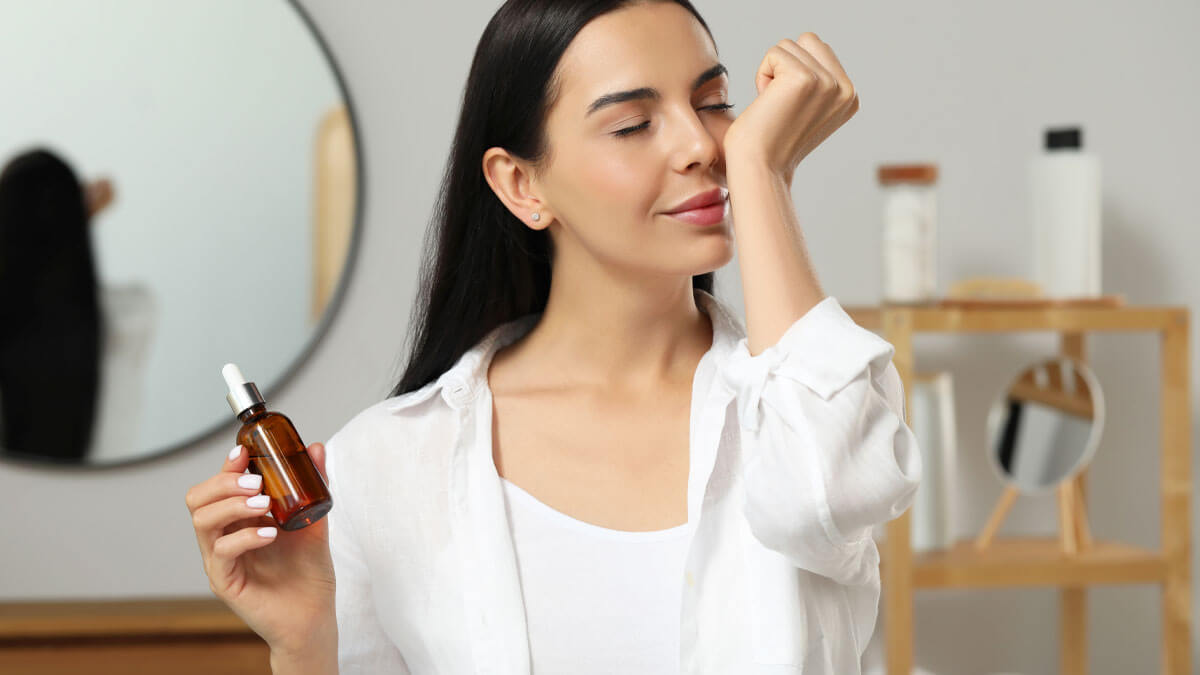
When you breathe in an essential oil’s aroma, scent molecules travel through the nose to the olfactory bulb. This bulb has a direct line to the limbic system, where it influences:
Emotional regulation: Certain scents, like Frankincense, can reduce stress and anxiety.
Memory recall: Ever notice how a whiff of Rosemary can make you feel sharper? It’s not a coincidence; studies show it boosts memory and concentration.
Sleep cycles: Oils like Lavender and Roman Chamomile are known for their ability to promote deep, restorative sleep.
This process happens almost instantaneously. It’s why simply diffusing essential oils can make you feel calmer, happier, or more energized within minutes.

Topical Use: More Than Skin-Deep
When applied to the skin, essential oils don’t just sit there looking pretty. They penetrate the epidermis and enter the bloodstream, where their therapeutic properties get to work. For example:
Pain relief: Peppermint and Eucalyptus oils are often praised for their analgesic properties. Scientific studies confirm that these oils contain compounds like menthol and cineole, which can reduce inflammation and improve circulation when applied to sore muscles.
Skin health: Tea tree essential oil supports skin health with compounds like terpinen-4-ol, which reduces inflammation and combats acne-causing bacteria, and α-terpineol, known for its soothing and antimicrobial effects. These components make tea tree oil effective for addressing skin issues like acne, irritation, and fungal infections.
Immune support: Oregano and Clove oils are rich in carvacrol and eugenol, respectively, both of which have antimicrobial and antifungal properties. Research suggests they can support your immune system by fighting off common pathogens.
Studies show that essential oils can be absorbed into the bloodstream and reach every cell in the body within 20 minutes of topical application. It’s wellness at lightning speed, isn’t it?

The Chemistry of Mood Enhancement
Now, let’s get geeky with the chemistry. Essential oils contain volatile organic compounds (VOCs) that interact with your body’s biochemistry. Here are a few examples:
Linalool: Found in Lavender and Bergamot, linalool is known for its sedative and anti-anxiety effects.
Eugenol: Found in Clove oil, it has antioxidant and anti-inflammatory properties.
Limonene: Abundant in citrus oils, limonene is a mood-boosting powerhouse with proven stress-reducing effects.
These compounds don’t just smell nice; they’re actively working to support your physical and emotional health.

Debunking Myths: Is It All in Your Head?
Skeptics might argue that aromatherapy’s effects are purely placebo. But science says otherwise. Clinical studies have shown measurable physiological changes after using essential oils. For instance:
- A studies found that inhaling Lavender oil reduced cortisol levels in stressed participants.
- Research on Peppermint oil showed improved athletic performance and reduced perceived fatigue.
- Trials with Lemon oil demonstrated its ability to combat symptoms of depression.
- Clinical studies have shown that cinnamon essential oil, thanks to the compound cinnamaldehyde, can help regulate blood sugar levels in individuals exposed to metabolic stress.
So no, it’s not just wishful thinking – it’s biology.
How to Use Essential Oils Effectively
Want to harness the full power of essential oils? Here are a few tips:
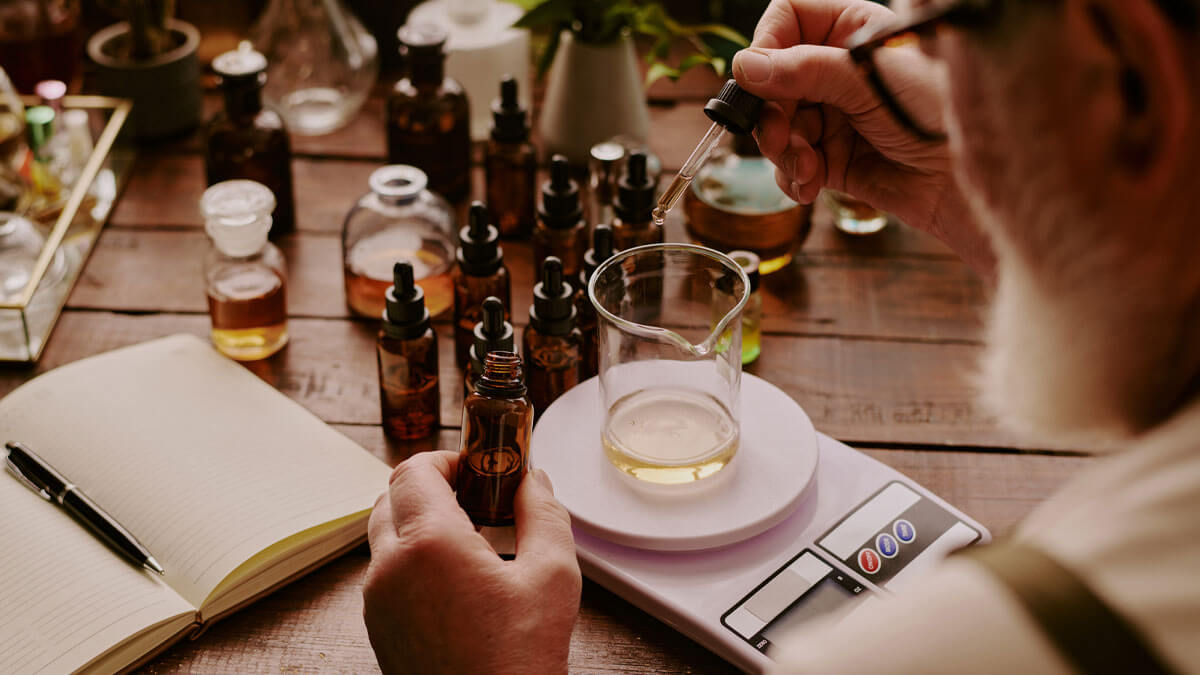
Diffusion: Use an ultrasonic diffuser to fill your space with therapeutic aromas. Ideal for relaxation, focus, or uplifting your mood.
Topical application: Dilute with a carrier oil (like fractioned coconut oil) and apply to pulse points or sore muscles.
Inhalation: Place a drop or two on your palms, rub them together, and inhale deeply.
Oral application: take the oils suitable for oral intake in a veggie cap.
A Word of Caution: Quality Matters
Not all essential oils are created equal. Look for oils that are 100% pure, therapeutic grade, and sustainably sourced. Always check for third-party testing to ensure you’re not introducing synthetic fillers or harmful additives to your wellness routine.

Final Thoughts: The Blend of Science and Wellness
Aromatherapy isn’t just a feel-good trend; it’s a science-backed practice with profound benefits for your mind and body. By tapping into the natural chemistry of essential oils, you can create a personalized wellness toolkit that supports everything from stress relief to immune health.
So, next time you reach for that bottle of Lavender or Peppermint instead of pharmaceutical product – you’re embracing a scientifically validated yet natural way to enhance your life. And that, my dear friends, smells like a win.