
Morning routine: stretching, washing your face, brushing your teeth… and that moment when you realize everything could smell a little bit better.
While we do our best to avoid additives in food and chemicals in skincare, we often forget that toothpaste and mouthwash can also be filled with ingredients that aren’t the best choice for our bodies.
Have you ever wondered what was the oral hygiene routine of people who lived centuries ago and what they used before minty pastes and plastic toothbrushes? The answer inevitably leads to aromatic plants.
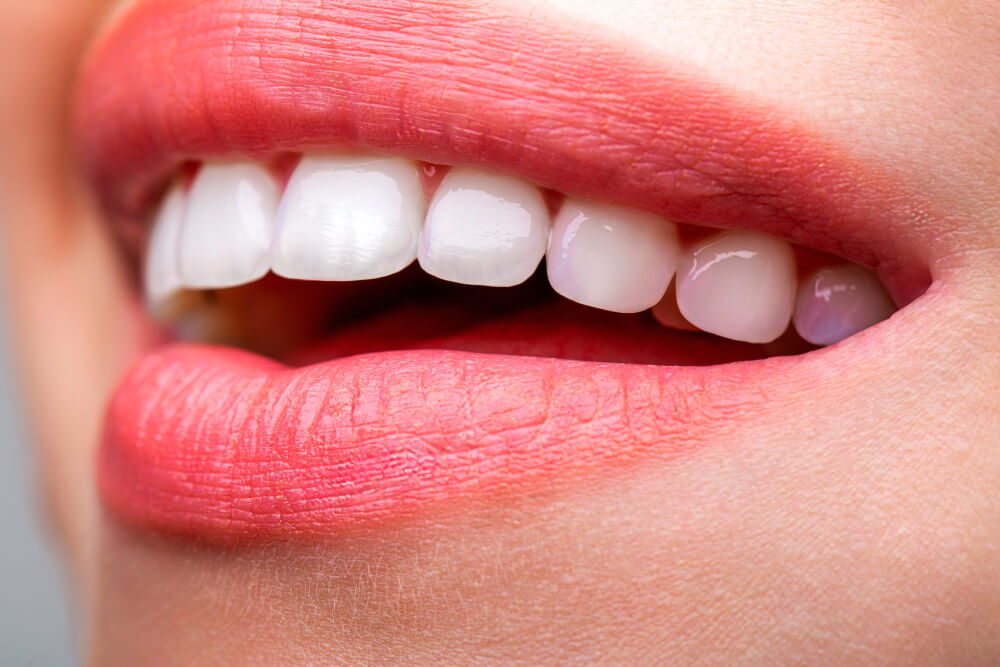
Why Use Essential Oils for Oral Care
Some essential oils are true heroes of oral hygiene, known for their antibacterial, anti–fungal, and anti-inflammatory properties. Beyond simply freshening your breath, certain oils can help soothe irritated gums, reduce the risk of cavities, relieve toothache, and support overall oral health.
Studies have shown that Melaleuca alternifolia (Tea Tree) and Mentha piperita (Peppermint) act against bacteria such as Streptococcus mutans and Candida albicans – the main culprits behind cavities, gum inflammation, and bad breath. Cinnamomum zeylanicum (Cinnamon) contains cinnamaldehyde, known for its strong antibacterial action against periodontal bacteria. Eugenia caryophyllata (Clove) is rich in eugenol, famous for its antiseptic and analgesic effects, making it invaluable for relieving toothache and inflammation. Commiphora myrrha (Myrrh) contains sesquiterpenes and terpenoids that help regenerate tissue and reduce inflammation in the gums.
In other words, behind every tiny bottle of essential oil lies an entire biochemical laboratory of nature.

Botanical Allies for a Radiant Smile
1. Peppermint (Mentha piperita)
The king of freshness. Its main compound, menthol, provides that cooling sensation while eliminating odor-causing bacteria. Studies have shown it can reduce plaque and oral bacteria thanks to its antiseptic properties. Romans, rightly so, believed Peppermint stimulated the mind and sharpened focus – something modern science has since confirmed. Along with a fresh breath, you might just get a brilliant idea as a bonus.
2. Tea Tree (Melaleuca alternifolia)
If there’s an oil that puts out the fire in your mouth, it’s this one. Known for its antibacterial and anti–fungal power, it’s often used for inflamed gums and mouth ulcers. It helps reduce gingivitis and freshens breath, without the harsh chemicals. With regular use, it promotes healthier-looking gums and supports faster recovery of the oral mucosa.
3. Clove (Eugenia caryophyllata)
Toothache? Clove is your ally. It contains eugenol, a natural pain reliever that calms nerves and reduces discomfort. Ancient sailors used it to prevent infections and strengthen gums during long voyages without a dentist in sight. A drop of diluted Clove oil on the affected tooth can ease pain until you reach professional care.
4. Myrrh (Commiphora myrrha)
A fragrant treasure from ancient Egypt. Used for both embalming and gum care, Myrrh oil offers antibacterial and anti-inflammatory benefits while supporting tissue regeneration. Today, it’s a common ingredient in many natural toothpastes and mouth elixirs.
5. Cinnamon (Cinnamomum zeylanicum)
This spice isn’t just for your favorite desserts. Cinnamon essential oil has powerful antibacterial properties that fight microbes causing bad breath and gum infections. If you use it for oral care, your kisses will definitely smell like freshly baked cookies.

6. Spearmint (Mentha spicata)
Contains carvone, a compound with antibacterial effects that helps neutralize bad breath. Its mild, sweet aroma – unlike peppermint’s intensity – makes it perfect for children and people with sensitive gums. Studies suggest it can reduce bacteria linked to gingivitis.
7. Copaiba (Copaifera officinalis)
Rich in β-caryophyllene, Copaiba has anti-inflammatory and soothing properties. It supports healing of mouth irritations, canker sores, ulcers, and tissue regeneration. Some studies even suggest it may aid recovery after dental procedures. Copaiba essential oil has strong adaptogenic properties that help balance the oral microbiome and support healthy, resilient gums.
8. Helichrysum (Helichrysum italicum)
Known as “the Immortal,” this oil contains italidione and neryl acetate, compounds with regenerative and anti-inflammatory effects. In oral care, it helps restore gum tissue and calm micro-inflammations, making it a valuable addition to daily routine, especially for sensitive or irritated gums.
9. Lemon (Citrus limon)
With limonene and citral, Lemon oil works as a natural antibacterial and antiseptic. It helps fight odor-causing bacteria and promotes a gentle whitening effect on teeth. It also stimulates saliva production, balancing mouth pH and reducing cavity risk. Research shows that limonene-rich oils can act against gram-positive bacteria, reducing gingivitis and halitosis.
10. Thyme (Thymus vulgaris)
Its secret lies in thymol, the same active ingredient found in many commercial mouthwashes. Thymol’s antimicrobial and antifungal properties help reduce plaque, gum inflammation, and infection risk. Studies show it inhibits Streptococcus mutans and Porphyromonas gingivalis, two of the main bacteria responsible for cavities and periodontal disease.

Natural Oral Care Recipes
Every now and then, add a drop of any of the essential oils mentioned above to your toothpaste and brush your teeth thoroughly. This simple step works as excellent prevention and it is invaluable routine for maintaining healthy teeth and gums.
Natural Mouthwash
Add 1 drop of Peppermint and 1 drop of Tea Tree oil to a glass of warm water. Swish for 30 seconds and spit. Result: freshness, disinfection, zero chemicals.
Gum Balm
Mix 1 drop of Myrrh with 1 teaspoon of Coconut oil and gently massage into the gums. Helps soothe irritation and strengthen gum tissue.
Toothache SOS
Dilute 1 drop of Clove oil in ½ teaspoon of olive oil and apply carefully to the affected area. It works quickly, but use sparingly – this oil is potent.

The Power of Nature in Every Smile
With a little knowledge and a few drops of the right oils, you can keep your gums healthy and your breath naturally fresh, without commercial products full of alcohol and artificial fragrances.
A smile is a quiet reflection of balance between body and soul. Nurture your smile naturally.